If you’re a long-term investor or someone looking for financial security through gold jewelry, these dips can be great buying opportunities — especially before the next wave of uncertainty hits.
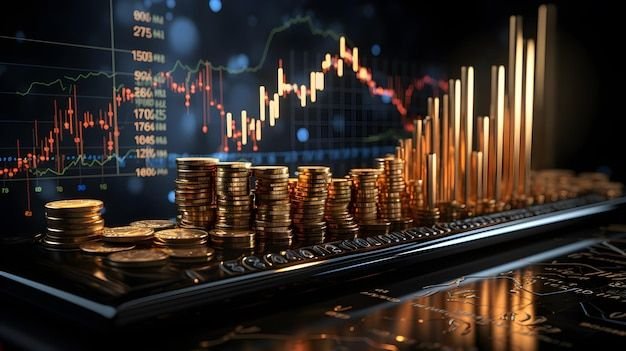
Over the past week, many investors and buyers have been scratching their heads: Why is gold losing value even though global tensions and war zones are on the rise? Isn’t gold supposed to rise during uncertain times?
Yes — and no.
While gold is traditionally seen as a safe haven, its price is influenced by a complex mix of global economic forces, not just fear or war headlines. Let’s decode what’s really going on.
💵 1. A Strong U.S. Dollar and Rising Bond Yields
Gold is globally priced in U.S. dollars. When the dollar strengthens, it becomes more expensive for buyers using other currencies to purchase gold, which leads to reduced demand.
Additionally, when U.S. government bond yields rise, investors are more inclined to move money into those interest-bearing assets. Since gold doesn’t earn interest, it temporarily becomes less attractive.
✅ In short: A strong dollar and attractive bond yields compete directly with gold for investor attention.
🧠 2. The “Buy the Rumor, Sell the News” Effect
Markets often react in advance to geopolitical fears. When conflict breaks out or tensions rise, gold prices may spike — but once the situation stabilizes or doesn’t escalate further, investors start booking profits, causing prices to correct.
This is a classic case of “buy the rumor, sell the news.”
✅ In short: Prices go up on fear, but dip once the fear plateaus.
💼 3. Institutional Profit Booking
Big institutional investors and hedge funds often hold large gold positions. When prices hit recent highs (often driven by geopolitical headlines), they may sell off to realize gains.
This wave of selling triggers a domino effect, bringing the price down even if the fundamentals haven’t changed.
✅ In short: Big investors use the spike as an exit point, creating downward pressure.
🏦 4. Central Bank Buying Trends
In recent months, several central banks have increased their gold reserves. But if central banks slow their gold purchases, even briefly, it can significantly impact global demand.
Less demand at the institutional level = lower market confidence in sustained high prices.
✅ In short: Gold demand from central banks is a powerful driver. Any pause in buying can tip the balance.
📉 5. Technical Corrections Are Natural
Gold, like any other traded commodity, follows technical market behavior. After a price rally, short-term traders and algorithms might trigger sell-offs based on technical indicators like moving averages or support/resistance levels.
These temporary pullbacks are part of healthy market movement.
✅ In short: A dip doesn’t mean a crash. It’s often a technical pause before the next climb.
📈 6. Positive Global Economic Signals
When key economic indicators like U.S. job growth, consumer spending, or inflation data come in stronger than expected, investors feel more confident in stocks and risk-based assets, reducing gold’s immediate appeal.
✅ In short: A strong economy makes gold seem less urgent in the short term.
🧭 Final Thoughts: Gold Is Still a Long-Term Shield
Despite temporary drops, gold remains one of the most reliable hedges against inflation and long-term volatility. What we’re seeing now is not a collapse — it’s a normal correction, influenced by broader market mechanics.
If you’re a long-term investor or someone looking for financial security through gold jewelry, these dips can be great buying opportunities — especially before the next wave of uncertainty hits.
💬 Your Gold Strategy:
- Don’t panic during short-term drops.
- Watch dollar strength and bond yields.
- Use dips to build your gold portfolio gradually.
- Remember: gold is not just metal — it’s a mindset.
A Blog by –